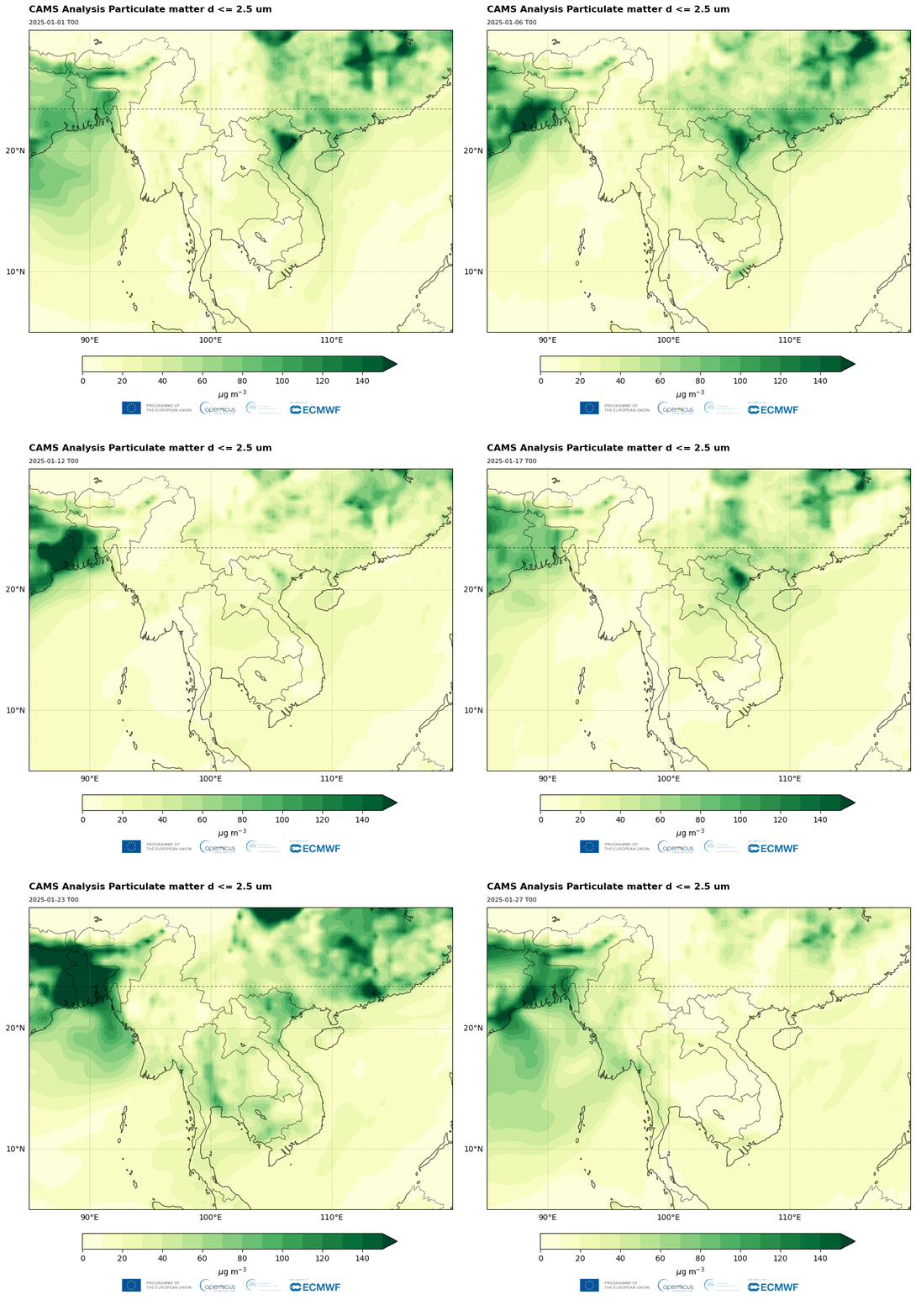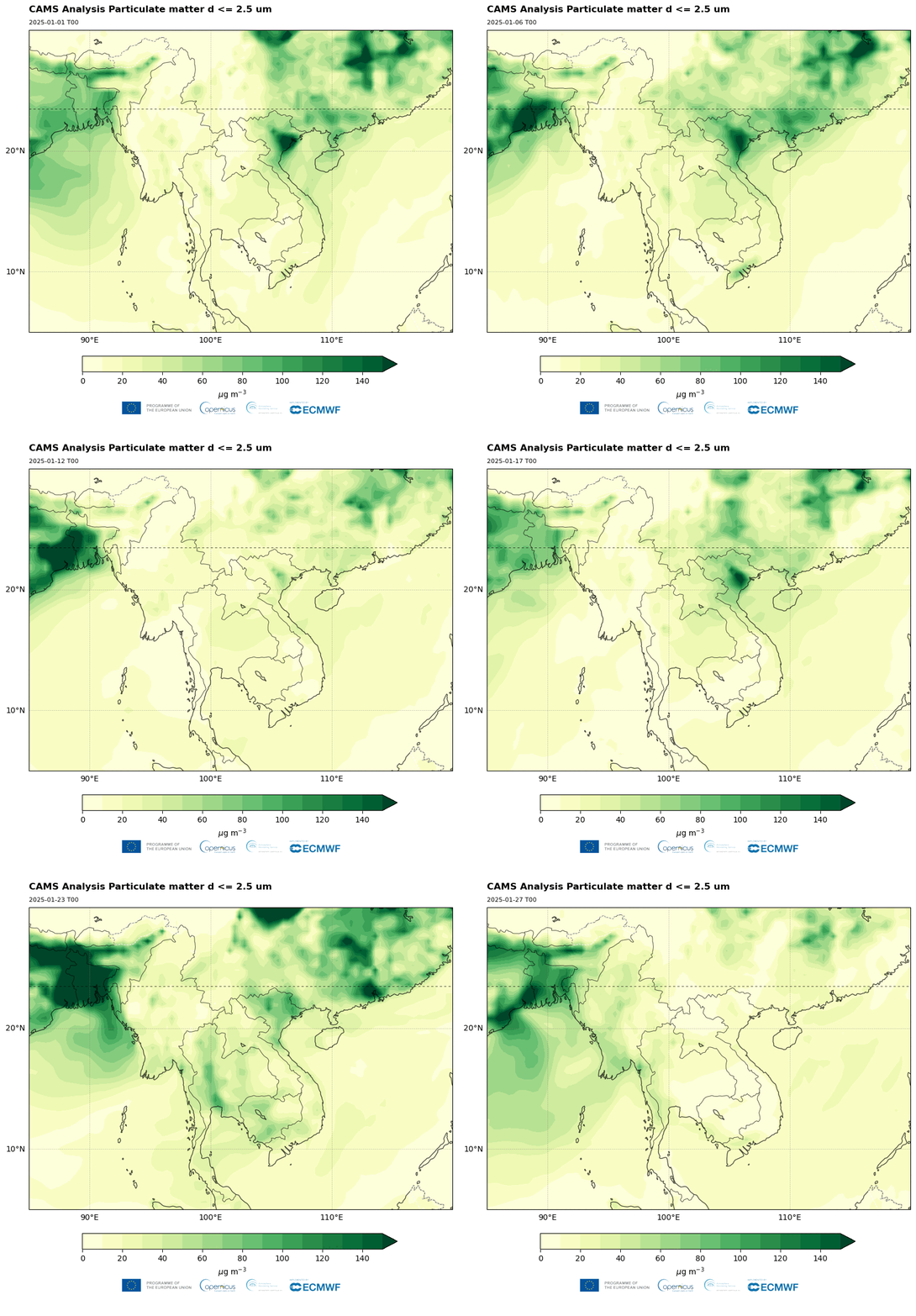
According to theCopernicus Atmosphere Monitoring Service(CAMS), South Asia, particularly Bangladesh, Nepal, India and Pakistan, has been experiencing persistently poor air quality across the Himalayan foothills, affecting major urban centers such as New Delhi, Kathmandu and Islamabad throughout January 2025. This was marked by high levels of fine particulate matter (PM2.5) pollution causing widespread haze across Pakistan, northern India, Bangladesh and Nepal. Winter stable atmospheric conditions and the topography of the region, combined with local emissions from fuel, transport and agricultural burning, contributed to a prolonged deterioration in air quality.
Since the beginning of January, CAMS forecasts have consistently shown elevated surface concentrations of PM2.5and other air pollutants across the Indo-Gangetic Plain with prolonged episodes of ground level values exceeding 100 µg/m³ in many areas, indicating a significant decline in air quality across the region and severe potential health impacts. Widespread haze was evident throughout the month with satellite imagery showing dense pollution across the Indo-Gangetic Plain and extending into the valleys of the Himalayan foothills and central Nepal.
Meanwhile, Southeast Asia also faced significant air quality challenges in January 2025. In Bangkok, Thailand, persistent PM2.5pollution reached hazardous levels, prompting the closure of hundreds of schools and the introduction of free public transportation to reduce emissions and mitigate exposure risks. These conditions, driven by atmospheric stagnation and emissions from urban and industrial sources, highlight the regional nature of air pollution issues and their far-reaching health and societal impacts. As the fire season unfolds across Upper ASEAN countries between January and May, CAMS continues to closely monitor air quality in the region.
This follows anexceptional pollution episodes in November 2024, with milder episodes during December, when stagnant atmospheric conditions caused dangerously high pollution across South Asia. Such events highlight the seasonal nature of air quality issues in the region and their broader implications for public health.
Laurence Rouil, Director at the Copernicus Atmosphere Monitoring Service, says: “Episodes of severe air pollution like those observed across South Asia this January are not uncommon during winter. However, the intensity and persistence of such events underscore the importance of continued atmospheric monitoring. Understanding the contributing factors, including seasonal conditions and emissions, is crucial for assessing their impact on air quality and designing efficient mitigation measures to reduce harmful impacts on public health.”