Bonn, 27/08/2024
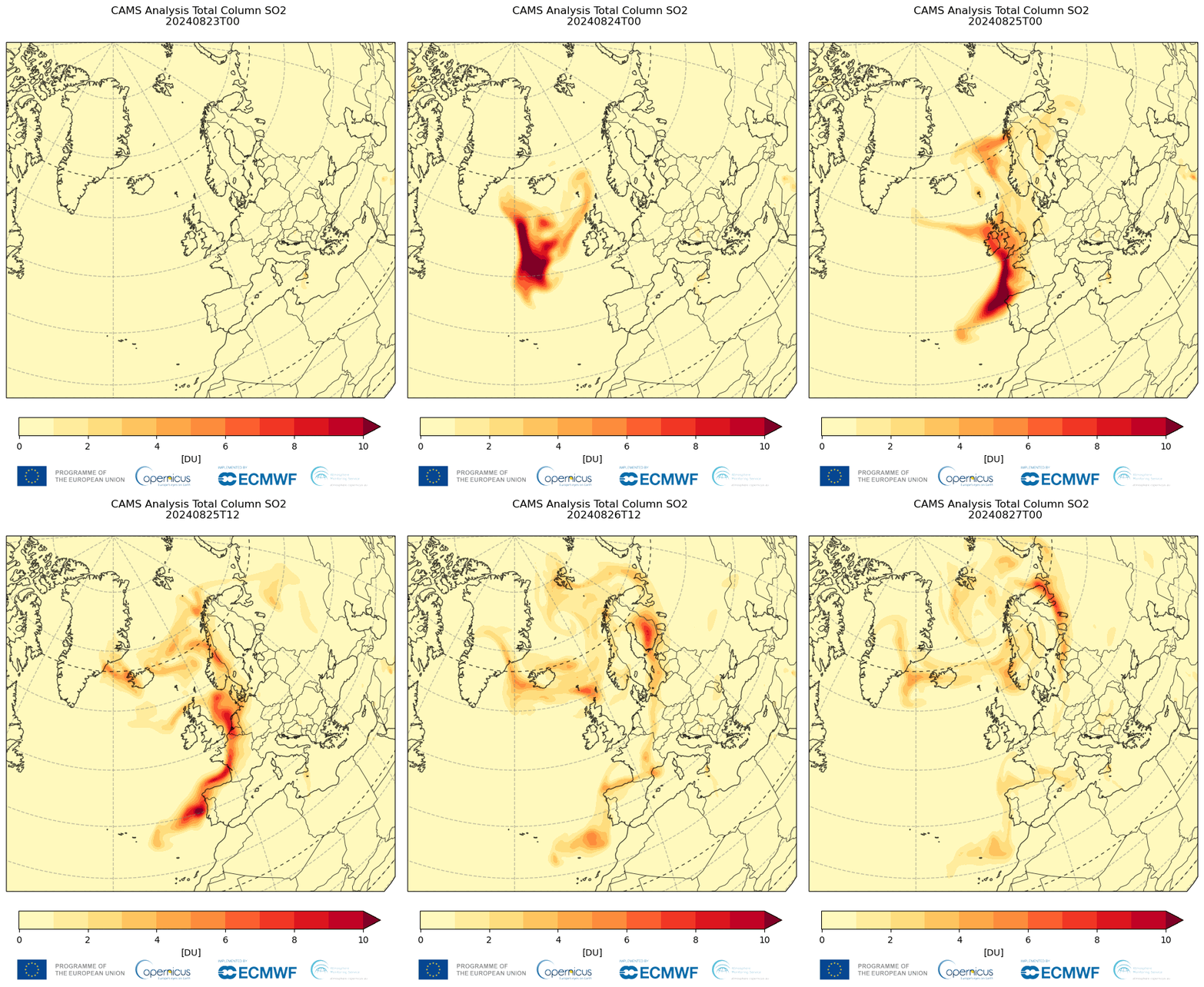
On 22 August, a volcanic eruption took place on the Reykjanes Peninsula in Iceland. Since the start of the year, this has been the sixth volcanic eruption in this region. TheCopernicus Atmosphere Monitoring Service (CAMS)has been tracking the plume of sulphur dioxide (SO2) emitted by the volcano as it moves towards Europe.
CAMS forecasts of atmospheric composition, based on the assimilation of satellite observations, includes information on the amount of SO2in the atmosphere, for which volcanic eruptions can be a significant source. The SO2forecasts since 23 August, following the eruption on Iceland, have been showing a plume of SO2moving across the North Atlantic reaching northwestern Europe on 24 August and continuing further east in the following days.
Satellite observations of the plume height indicate that the highest concentration of SO2is between 5-8 km in the atmosphere, but the forecasts, and surface measurement sites, have also been showing some increased concentrations of SO2(up to 20 μg/m3) at ground level. The forecast and measured SO2concentrations are below the recommended exposure threshold of 350 μg/m3set down inEU air quality standardsand it is not expected to have major impacts on air quality and health impacts.
CAMS Senior Scientist, Mark Parrington, comments: “The Reykjanes Peninsula has been experiencing increased volcanic activity and eruptions resulting in some large plumes of sulphur dioxide to the atmosphere. In CAMS, near-real-time satellite observations of the plumes allow us to track the SO2 in the atmosphere and analyse the possible impacts on air quality. The emissions from this episode have not been severe enough to have a significant impact on global atmospheric processes or human health, but documenting and keeping track of every episode is important”.